Elon Musk is shaking up the world with his wildest plan: global travel without plans and breaking space!
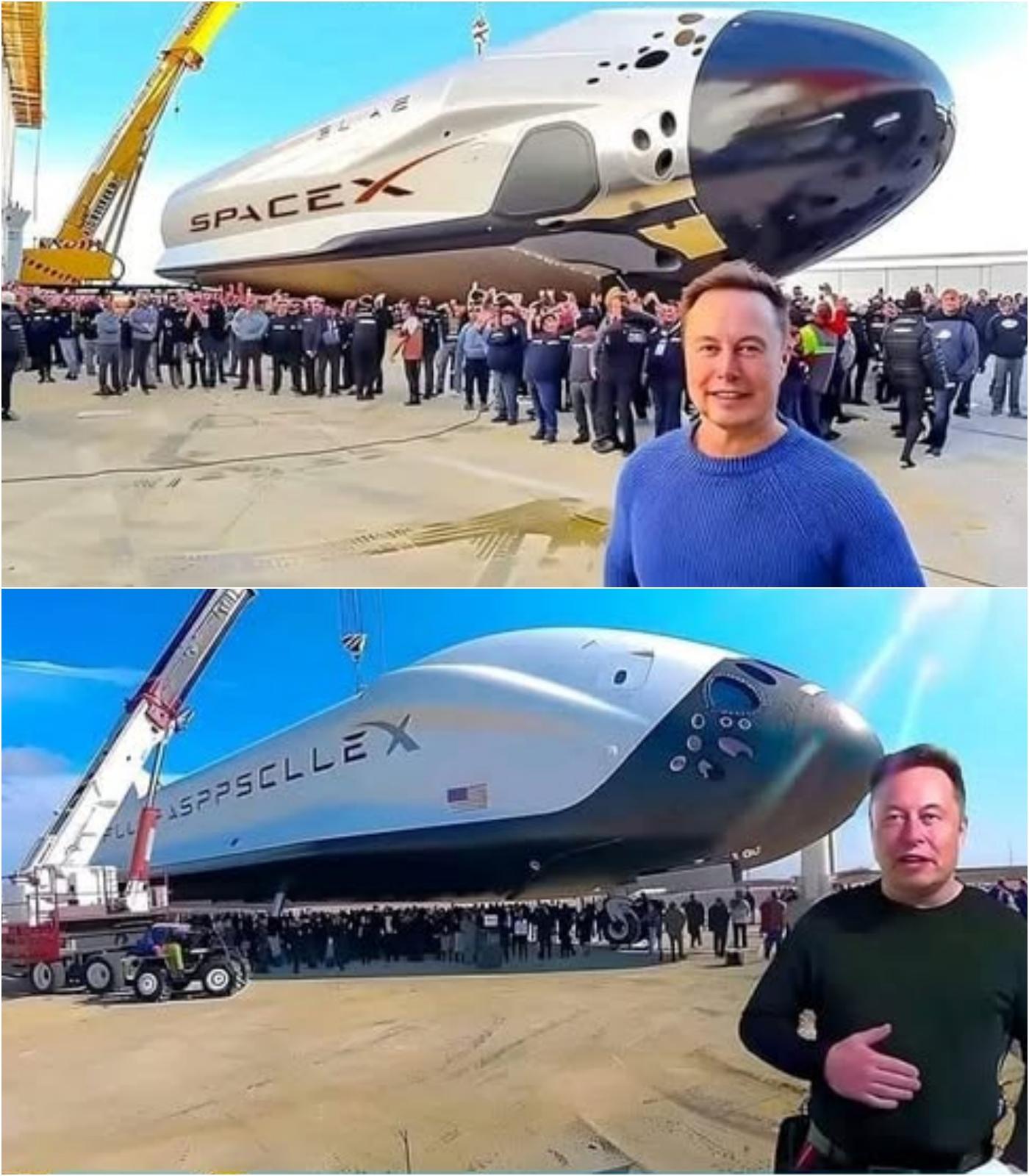
Elon Musk is no stranger to making waves. His name has been made with visions of the future that seem like science fiction, such as the 1970s. But now he’s shaking up the world with something even wilder: a plan for travel without plans and hypercars that aims to connect the entire world and eventually the universe.
The plan may sound crazy, but Musk’s impulse is derived from pushing the boundaries of what’s possible. It could change everything from how we see our planet to how humans explore space. Let’s take a look at what this revolutionary idea is and what it could mean for our future.
The Vision Behind Elon Musk’s Global Ultrafast Travel Project
Elon Musk’s previous work shows a pattern of bold ideas: SpaceX spaceflights, Hyperloop, and high-speed electric cars with Tesla. All of these projects focus on disrupting the way we travel. The Ultrafast Travel Project stems from a desire to change the way people around the world travel. Musk wants to create a system that can transport humans across continents in a flash.
The project aims to reduce travel times from hours or days to just a few minutes. Imagine flying from New York to Tokyo in less than 20 minutes! Musk’s vision also includes preparing humanity for interplanetary travel. This not only means fast travel to Earth, but also paving the way for humans to explore Mars and beyond.

The idea isn’t just to travel faster. It’s about pushing the boundaries of physics and engineering. Currently, faster aircraft fly at around 1,000 mph. Musk’s new system hopes to go far beyond that, traveling at speeds approaching 100,000 mph or more. This speed could open space for ordinary people and turn expensive space travel into routine travel.
The key to achieving this lies in new propulsion methods. Traditional rockets rely on chemical engines, which are powerful but slow and limited due to fuel and safety concerns. Musk’s team is exploring options such as electromagnetic propulsion, which uses magnetic fields to accelerate objects, or even the idea of a primordial dimbre pulse that could bend space. While primordial dimbre units remain theoretical, electromagnetic and other advanced ideas are approaching reality.
Speed is useless if the structure can’t handle the forces involved. Construction vehicles or roads that can withstand extreme acceleration require new materials: higher, lighter, and more durable. Some proposals include advanced nanomaterial compounds that can withstand high pressures and temperatures. These innovations could also be extended to industries such as aerospace, construction, and even medicine.
In Musk’s mind, rapid land and space missions are intertwined. If we can develop fast transportation systems on Earth, why not do the same between Earth and the Moon or Mars? Shortening travel times within our solar system, such as getting to Mars in days instead of months, becomes more feasible. This transforms space exploration from an expensive quest into something closer to a daily commute.
Imagine a world where business meetings, vacations, or even family visits take place instantly. The travel, logistics, and tourism industries would experience a revolution. Goods could be transported across the planet in seconds, reducing costs and boosting economies worldwide. This could lead to a new era of global collaboration and innovation.
Fast travel opens the doors to new cities and communities: Places once considered too remote could become attractive options for living and working. Remote workers could be in peaceful rural areas within minutes. Experts predict that urban landscapes could be dramatically different, with smarter and denser cities developing faster in these new travel hubs.
High-speed travel sounds exciting, but it also raises ecological questions. Will these systems consume a lot of energy? Musk’s approach is centered on sustainability: developing clean energy sources and recycling methods to minimize environmental damage. Achieving speed without destroying the planet is a challenge, but it’s worth addressing.
Great ideas have big problems. Developing propulsion systems capable of such high speeds is difficult. Energy requirements can be enormous, materials must be perfect, and safety is crucial. No technology is perfect and progress is inevitable.
The new technology also brings with it regulations and concerns. Governments and international organizations must write laws for ultra-fast travel. Safety standards, privacy, and ethical issues surrounding space exploration are becoming serious problems. Who will be responsible if something goes wrong? These are questions that cannot be ignored.
Many experts are curious, but the timeline is uncertain. The public can consider this science fiction in the coming years. However, Musk and his team continue to test small prototypes and conduct pilot programs, showing that progress is happening, albeit slowly.
The ultra-excited trips are directly linked to Musk’s greatest dream of making humans a multiparanoid species. If we can fly beyond Earth at lightning speed, the next step is to build an interplanetary network. The fastest trips to Mars could become routine, making colonization more practical and safer.
Breaking down our boundaries on Earth is just the beginning. It’s about expanding what humans can do and where they can go. Becoming multiparanoid could eventually open up new resources, lifestyles, and ways of thinking. This is a turning point for society.
Next, Elon Musk’s companies will move forward with experimental projects. Collaboration with governments, private investors, and academics is essential. These associations will transform great ideas into real prototypes that will one day revolutionize the way we travel and explore space.
Elon Musk’s ambitious project to develop ultra-fast global travel without airplanes promises to transform our entire world. It’s a bold step to break boundaries once thought impossible and opens the door to interplanetary exploration. The combination of avant-garde technology, sustainable goals, and global collaboration could mark the beginning of a new era of human adventure. Staying informed and supporting advances in transportation and space will be key as we see history unfold. The future will be faster, farther, and more exciting, beyond what anyone could have imagined.