BREAKING NEWS: The prospect of human life on Mars is no longer a fantasy, but closer than ever. Elon Musk has officially announced it: “Get ready, 2050 will be the year we land on Mars.”
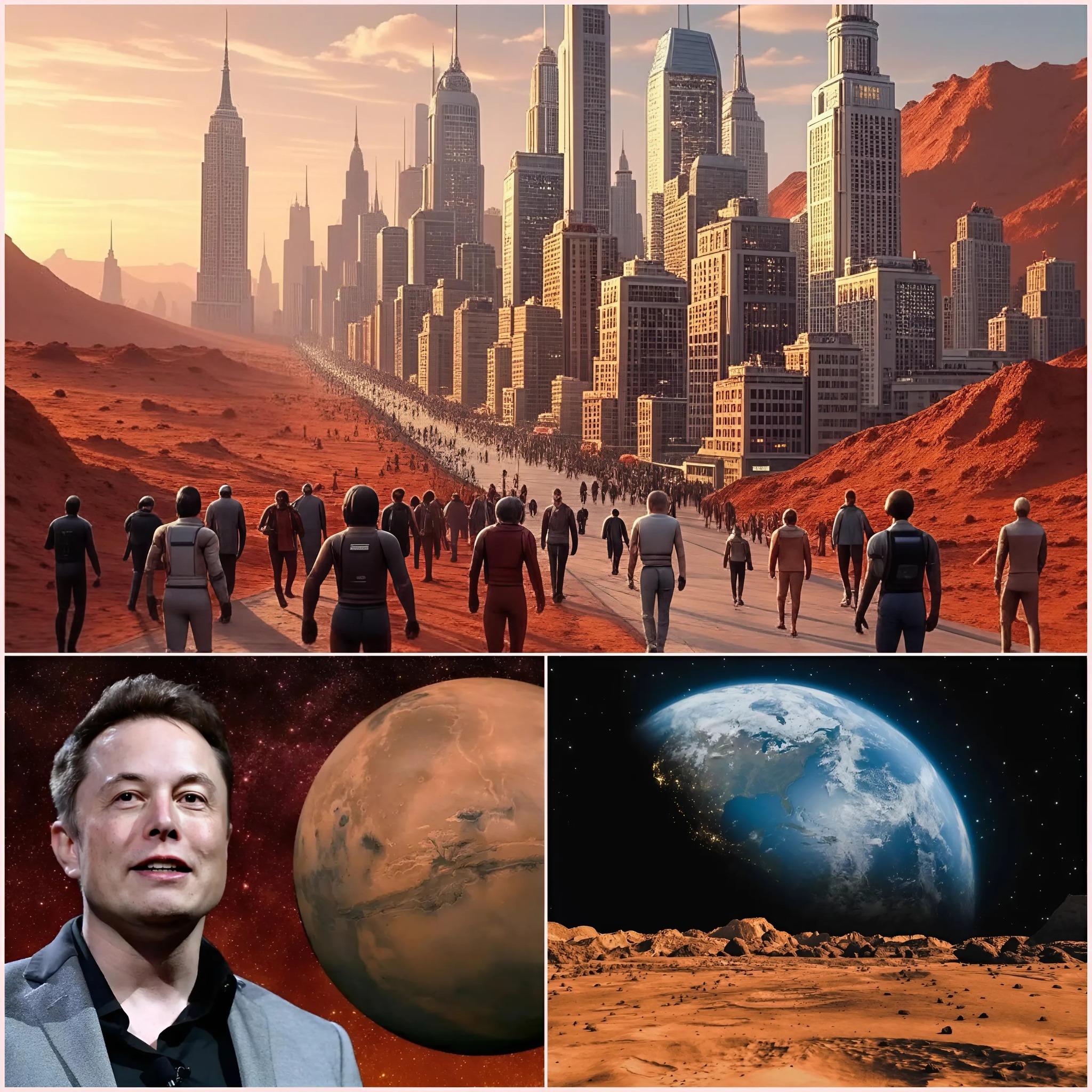
In a bold statement that has resonated throughout the scientific community and beyond, Elon Musk, the visionary founder of SpaceX, has announced that humanity is on track to land on Mars by 2050. At a recent SpaceX event at the company’s Starbase in Texas, Musk’s statement, “Get ready, 2050 will be the year we land on Mars,” reignited global excitement about the prospect of humanity becoming a multi-planetary species. This ambitious timeline, typical of Musk’s bold goals, is backed by significant technological advances and a clear roadmap, suggesting the dream of colonizing Mars is closer than ever.
Musk’s announcement follows years of progress on SpaceX’s Starship program, a fully reusable spacecraft designed to transport humans and cargo to Mars. In contrast to previous predictions—such as Musk’s 2016 estimate of a crewed mission by 2024 or his 2022 forecast of a landing in 2029—the 2050 target reflects a more measured approach, taking into account the immense technical, regulatory, and logistical challenges of interplanetary travel. SpaceX has already made significant progress, with Starship prototypes completing successful high-altitude test flights and orbital launches, though not without setbacks. In recent test flights in 2025, including Flight 9, Starship reached space but encountered problems such as engine failures and explosions, highlighting the complexity of perfecting the technology.

The plan to Mars begins with unmanned missions, which SpaceX plans to launch as early as 2026 to test the reliability of a safe landing on the Martian surface. These missions, leveraging Starship’s unprecedented performance and reusability, will carry Tesla’s Optimus robot to collect important data about the Martian environment, including water ice deposits and landing hazards. Musk emphasized that these initial missions are crucial in paving the way for manned explorers, which would follow in 2029 or 2031 if the unmanned landings are successful. The chosen landing site, Arcadia Planitia, is a flat volcanic plain in the northern hemisphere of Mars with accessible water ice, making it ideal for establishing a base.
Beyond the technical achievements, Musk has a vision of building a self-sufficient Martian city capable of supporting one million people by 2050. This goal requires not only transporting people, but also building an infrastructure for power generation, resource extraction, and fuel production using Mars’ abundant carbon dioxide and water ice. SpaceX’s Starfactory in Texas is designed to produce up to 1,000 spacecraft annually, enabling the massive cargo and passenger transport necessary for such a colony. Musk envisions a fleet of 1,000 to 2,000 spacecraft launching every 26 months—when Earth and Mars are aligned—to transport millions of tons of equipment and settlers to the Red Planet.
However, the road to Mars is fraught with challenges. Experts such as planetary scientist Philip Metzger point out that SpaceX must master in-orbit refueling, which requires multiple tanker launches to refuel a single spacecraft for interplanetary travel. Regulatory hurdles are also significant: The Federal Aviation Administration (FAA) fears potential delays due to environmental concerns and licensing requirements. Critics consider Musk’s timelines optimistic, citing missed deadlines and the harsh conditions on Mars—freezing temperatures, dust storms, and barely breathable air. Ethical concerns have also arisen. Some question the implications of colonizing Mars under the 1967 Outer Space Treaty, which prohibits the claiming of planetary territory but could be reinterpreted with the emergence of new settlements.
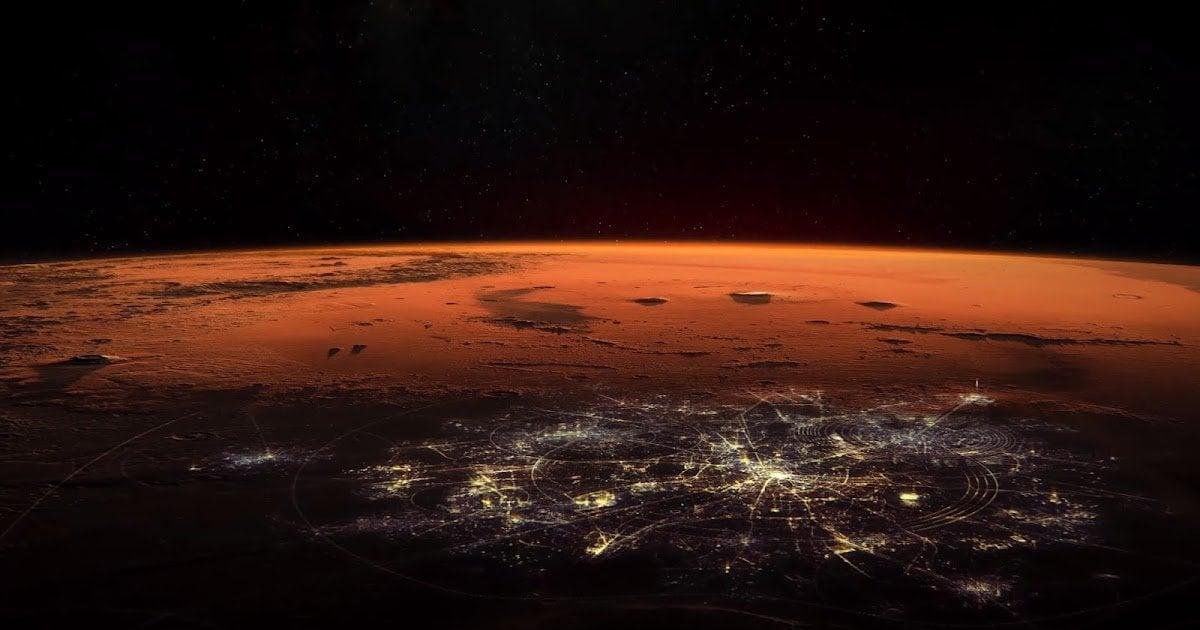
Despite these obstacles, Musk’s announcement has piqued public and private interest in Mars exploration. NASA, which is aligning itself with the Trump administration’s 2026 budget proposal, is exploring Mars missions for 2026 and could leverage SpaceX’s capabilities. The prospect of a Mars city has sparked debates about forms of government. Musk proposes a direct democracy for Mars settlers to rebuild civilization free from the constraints of Earth. While ambitious, this vision underscores his belief that multiplanetization is essential to humanity’s survival and protects it from existential threats such as asteroid strikes or nuclear conflict.
As we look toward the year 2050, the world is watching SpaceX’s progress with bated breath. Musk’s unwavering commitment, coupled with SpaceX’s track record of proving skeptics wrong, suggests that what was once the stuff of science fiction is increasingly becoming a reality. Whether humanity will set foot on Mars in 25 years is still uncertain, but Musk’s bold announcement has brought the dream tantalizingly close and inspired a new generation to look to the stars.